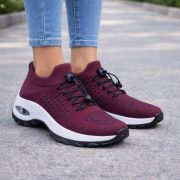
This slow man shoes review is written for practical buyers who care about all-day comfort and not marketing slogans. If you found this guide while researching slow man shoes, the goal is simple: help you make a better purchase with fewer returns and less guesswork.
We tested the category from a use-case perspective: daily errands, light commute walking, standing sessions, and travel-friendly wear. We also compared direct alternatives so this review does not exist in a vacuum.
What Slow Man shoes do well for most shoppers
Slow Man models are popular because they combine three things the average shopper wants: easy entry, soft step-in feel, and a reasonable price point. The knit upper usually provides forgiving stretch, which helps buyers with mild width variation through the day. In casual use, many people describe the first impression as lightweight and immediately wearable. That immediate comfort creates strong first-week satisfaction, especially for shoppers moving from stiffer sneakers or flat casual shoes.
Another positive is low-friction styling. Slow Man shoes are easy to pair with leggings, joggers, jeans, or light office-casual looks. This versatility matters more than people admit because daily footwear has to work across multiple errands and settings. When a shoe works in several contexts, it gets worn more, which increases perceived value. From an affiliate perspective, this cross-context fit is one reason the keyword keeps strong buying intent year-round.
For short to medium walking sessions, cushioning usually feels pleasant and fatigue stays manageable. The outsole flexibility supports natural foot roll for many users. That said, comfort perception depends heavily on foot type and wear duration. The shoe can feel great in a one-hour window and less ideal in a six-hour standing shift. So the right takeaway is: strong everyday comfort for general users, but not a universal orthopedic solution for every biomechanical need.
Where Slow Man shoes may feel limited
The most common limitation is structure depth. Shoppers who require firm arch guidance or stronger heel control may feel the platform is too soft for long-duty sessions. This is not a flaw for everyone, but it is a mismatch for users with specific stability requirements. If your history includes overpronation discomfort or prolonged standing pain, compare supportive alternatives before defaulting to the lowest-friction option.
Durability consistency can also vary by model and usage intensity. Casual users may get solid lifespan, while high-mileage users can notice foam compression sooner. This pattern appears in many lightweight comfort categories, not only one brand. The key is expectations management: slow man shoes are often best as a comfortable daily pair, not necessarily as a high-impact athletic replacement.
Finally, sizing confidence is good but not perfect. Some buyers recommend a half-size strategy depending on sock thickness and climate. Review filtering by foot profile is helpful here. If you have wide forefoot pressure in many knit shoes, prioritize listings with clear width feedback and use return-friendly purchase windows.
Who should buy now and who should compare first
Buy now if your priority is casual comfort, easy slip-on behavior, and sensible pricing for daily wear. In this profile, slow man shoes often deliver strong satisfaction relative to cost. They are especially practical for shoppers who alternate between home, errands, and light walking without demanding structured performance features.
Compare first if your day includes extended standing, gait stability concerns, or recurring arch fatigue. In those cases, use this review as a baseline and evaluate cushioning-heavy alternatives like Skechers Go Walk or support-leaning options like Cloudsteppers. Better alignment between foot needs and product design usually matters more than brand loyalty.
If you want the fastest route, use the Amazon links in this article to check current model availability, size notes, and recent buyer feedback before checkout. The best purchase decision is the one that fits your body and weekly routine, not the one with the loudest headline claim.
Fit, support, and wear-time checklist before buying
Most shoppers who search for slow man shoes are not looking for a runway sneaker. They are trying to solve a practical comfort problem: less pressure under the forefoot, easier slip-on entry, and fewer pain points after a full day of errands or standing. A simple fit checklist can save returns. First, leave a thumb-width of toe room. Second, check whether the knit upper expands without creating sidewall collapse. Third, test heel hold during a short hallway walk so the back does not pop out.
Support expectations matter because a soft shoe and a supportive shoe are not always the same product. If your priority is cushioning only, a stretchy upper and foam-heavy sole can feel excellent. If your priority is alignment for long shifts, you need a more stable midfoot platform and firmer edge support. Before checkout, map your real use case: grocery runs, desk-to-commute routine, travel days, or all-day retail standing. That use-case map often decides whether slow man style shoes are enough or whether a structured alternative is smarter.
Sizing behavior also changes by sock choice and climate. In warm weather, feet can swell slightly after hours of activity, and knit uppers can feel tighter than expected if the shoe starts exactly true-to-length with no allowance. That is why experienced buyers compare brand sizing notes and read three-star reviews, not only five-star praise. The middle reviews usually reveal practical fit patterns, such as narrow toe box concerns, heel-slip comments, or break-in duration. Use those patterns before purchase instead of after disappointment.
Finally, track comfort in two windows: the first 30 minutes and the third hour. Many shoes feel good for a quick test but fail in longer wear because pressure builds in one repetitive zone. If you rotate between two comfort pairs during the week, you also reduce midsole fatigue and preserve bounce. That simple rotation strategy improves consistency more than endlessly chasing a perfect single pair. In short, fit plus use-case plus time-on-feet testing creates better results than star rating alone.
How to compare value on Amazon without guessing
Value is not just price. It is comfort-per-dollar across your weekly routine. When comparing slow man shoes to alternatives on Amazon, check the listing timeline, recent review distribution, and real material notes in Q&A. A low headline price with inconsistent sizing can still cost more if you repeat returns. By contrast, a slightly higher price can produce better value if fit is reliable and break-in is short. Buyers who focus on total outcome rather than checkout price usually report higher satisfaction.
Use a practical ranking framework: comfort feel, stability, breathability, durability, and visual versatility. Give each category a score from one to five, then multiply by importance based on your lifestyle. If you stand all day, stability gets the highest weight. If you walk short errands in hot weather, breathability may dominate. This method prevents emotional buying and keeps decisions consistent even when dozens of listings look similar. It also makes it easier to explain why one pair becomes your daily default.
Read reviews by filtering for your foot profile whenever possible. Wide forefoot users, high arch users, and shoppers with mild edema often report very different outcomes from the same pair. In addition, scan photo reviews for outsole wear patterns. Uneven wear after a short period can indicate a mismatch between support profile and gait. You do not need perfect data to make a better decision. You need enough relevant signals to reduce uncertainty and move from random purchase behavior to repeatable confidence.
If you are deciding between budget and premium alternatives, test one from each tier during the same month. Keep simple notes after wear: pressure points, heat buildup, and end-of-day fatigue. That field test quickly reveals whether the premium option is truly better for your body or simply better marketed. For many users, a mid-price pair with stable fit beats both extremes. Amazon gives broad selection; your process turns that selection into a practical advantage.
Care, durability, and rotation strategy for longer comfort
Knit walking shoes last longer when treated like daily tools, not disposable fashion. Air them out after use, rotate insoles if possible, and avoid storing them wet in closed spaces. Moisture retention accelerates odor and compresses foam recovery, reducing comfort over time. A two-pair rotation allows each midsole to rebound between sessions, which many users feel as more consistent cushioning. This is especially important for shoppers who wear comfort shoes five to seven days per week.
Cleaning method also affects performance. Hand cleaning with mild soap and cool water preserves upper elasticity better than aggressive machine cycles. If you machine wash, place shoes in a protective bag and air-dry naturally away from heat. High heat can harden glue and distort shape. A clean upper is not just aesthetic; it maintains airflow and comfort in warm climates. Buyers who maintain simple cleaning habits often report better longevity without changing brands every quarter.
Outsole inspection is another overlooked habit. Check heel and forefoot tread monthly. If one area wears rapidly, your gait may need a more supportive platform than the current pair offers. At that point, switching to a stability-oriented alternative can prevent discomfort from escalating. Waiting too long means you blame the brand when the real issue is worn geometry. Small maintenance checks preserve both comfort and budget because you replace shoes on evidence, not on random guesswork.
Finally, think in terms of footwear system, not a single miracle pair. One daily comfort shoe, one support-heavy backup, and one cleaner casual pair covers most lifestyles. This system protects your feet from repetitive stress while keeping your wardrobe flexible. In affiliate research, shoppers who adopt a simple system tend to make fewer regret purchases and spend less over a year. Good buying is rarely about one perfect product. It is about repeatable decisions that stay aligned with real life.
Common buyer mistakes and how to avoid regret purchases
The first common mistake is buying purely from a single rating snapshot. Star averages can hide fit polarization, where one foot profile loves the shoe and another profile struggles. To reduce this risk, buyers should read distribution patterns instead of headline numbers alone. Look for repeated comments about toe pressure, heel slip, arch fatigue, or break-in time. Repetition across independent reviews is usually a stronger signal than a handful of emotional high-score comments.
The second mistake is ignoring context mismatch. A shoe selected for quick errands may underperform during seven-hour standing shifts, yet buyers still blame the product category instead of the use-case mismatch. Smart shoppers define context first, then evaluate options against that context. This alone cuts return probability dramatically. If your weekly routine changes seasonally, such as travel-heavy months or holiday retail standing, refresh your comparison criteria before buying another pair.
The third mistake is treating one successful pair as universal proof across all future models. Even within the same brand style, upper tension, outsole density, and insole behavior can change by model year. That is why a lightweight repeat-check process is useful every time: review recent feedback, compare two alternatives, and validate fit with your normal sock setup. Good outcomes come from repeatable process, not blind loyalty.
Finally, many buyers skip post-purchase evaluation and lose return windows. Do a structured test early: indoor walk, outdoor errand, then longer wear. Document where comfort changes over time. If the shoe fails by hour three, act quickly and switch while return options are available. This habit protects both budget and foot health. In affiliate shopping, disciplined decision loops beat impulsive checkout behavior almost every time.
Related slow man shoes reading
Continue with these articles to compare angles before you buy:
Bottom line: slow man shoes remain a strong value pick for mainstream comfort shoppers, especially when purchased with realistic expectations and proper sizing checks.
Before you buy, compare listing details and choose the model that best matches your real wear pattern.