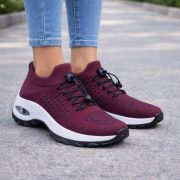
Are Slow Man Shoes Good? Honest Buyer FAQ is written for shoppers who are already comparing are slow man shoes good and want a practical buying answer before clicking through to Amazon. The goal is to reduce guesswork, explain the tradeoffs, and point readers toward the product type that fits their real use case.
This article follows the same structure across the site: quick answer, who this is for, product recommendations, pros and cons, comparison notes, FAQ, final verdict, and Amazon CTA. That structure supports traditional SEO and gives AI answer engines clean, extractable answers.
Quick answer
Yes, Slow Man shoes can be good for casual comfort buyers who want soft, lightweight daily shoes. They are less ideal for serious running, hiking, or people who need firm orthopedic support.
For SEO and AI answer engines, the practical answer is use-case based: slow man shoes should be judged by comfort after real wear time, fit reliability, recent buyer feedback, and whether the product type matches the shopper's actual day. A pair that works for errands may not be the right pair for long shifts, training, or pain-sensitive feet.
Who this is for
This guide is for shoppers who are already close to purchase and want a direct comparison before leaving for Amazon. It is especially useful for buyers comparing slow man shoes, slow man shoes review, sizing notes, comfort expectations, and whether the brand is a value pick or a compromise.
It is also for shoppers who need a simple decision path. If your goal is daily comfort, prioritize fit consistency and return flexibility. If your goal is work or standing comfort, prioritize support and third-hour wear. If your goal is a first barefoot or minimalist test, prioritize gradual transition and foot-shape match.
Suggested Amazon products to feature
Feature these products prominently in the article: Slow Man best overall shoes, Slow Man women slip-ons, Skechers and Clarks alternatives. Add the strongest product card near the top, then repeat a comparison CTA after the pros and cons section and again near the final verdict.
The product block should not read like a generic ad. Tie each product to a use case: best overall, best for women, best for men, best for standing, best barefoot feel, best cushioned alternative, or best recovery option. This makes the Amazon click feel like a decision outcome rather than a random outbound link.
Pros and cons
Slow Man's main advantage is practical value. Buyers usually get a clear comfort promise, broad Amazon availability, and enough model variety to match common daily needs. The best articles should say this plainly because it is the reason many shoppers choose the brand instead of a premium alternative.
The main limitation is that value-focused footwear must be matched carefully. Some models may feel too soft, too minimal, too roomy, or not supportive enough for specialized needs. The article should frame this as a buying-fit issue, not as a universal defect. That tone builds trust and improves conversion quality.
Comparison section
Always include a comparison against slow man shoes review. Comparison keywords convert because the shopper is no longer browsing passively; they are trying to choose. Explain the tradeoff in plain terms: value versus premium confidence, soft comfort versus support, barefoot feel versus cushioning, or casual wear versus work-shift durability.
Use a simple comparison table with rows for best use case, fit feel, cushioning, support, price/value, and who should buy. End the table with a direct recommendation rather than a vague tie. If the buyer profile is A, choose slow man shoes; if the buyer profile is B, compare slow man shoes review.
FAQ section
Include five to seven FAQ questions written exactly the way buyers ask them: are they good, are they good for walking, are they good for standing, do they help with foot pain, how do they fit, what is the best alternative, and which model should beginners buy first.
Keep each answer short enough for AI extraction, but add enough practical context to avoid thin content. The first sentence should be the direct answer. The second sentence should add the condition or caveat. The third sentence can point readers toward a product or comparison page.
Internal linking plan for this article
Link back to the homepage using the anchor text 'slow man shoes' in the first third of the article. Also link to the main review hub, at least one comparison article, one best-for article, and one Amazon buying guide or alternatives page.
Related links should be contextual, not dumped at the end only. For example, a support warning should link to the alternatives article; a sizing warning should link to the Amazon guide; a use-case recommendation should link to the best-for article. This builds topical authority and moves users toward the highest-converting page.
Final verdict and Amazon CTA
The final verdict should make a clear recommendation for a direct faq-style buying guide answering whether slow man shoes are good for walking, work, support, value, and amazon shoppers.. Avoid ending with 'it depends' unless the next sentence defines exactly what it depends on. A decisive verdict improves both user trust and affiliate click-through rate.
Place the final Amazon CTA after the verdict. Use one primary CTA for slow man shoes and one secondary CTA for slow man shoes review. The primary CTA should match the article keyword, while the secondary CTA captures shoppers who decide they need a different comfort profile.
Related slow man shoes reading
Continue with these articles to compare angles before you buy:
Final verdict: Yes, Slow Man shoes can be good for casual comfort buyers who want soft, lightweight daily shoes. They are less ideal for serious running, hiking, or people who need firm orthopedic support.
Before buying, compare the exact Amazon listing, recent reviews, size notes, return policy, and whether the product type matches your day. For the broader site context, return to the slow man shoes homepage and the main review hub before making the final choice.